“You don’t have to burn books to destroy a culture. Just get people to stop reading them.” – Ray Bradbury
Public, academic, and school libraries across Wisconsin and the country highlighted the importance of freedom of choice in what we read during Banned Books Week, October 5th-11th. Organized in 1982 in cooperation with the American Library Association (ALA), Banned Books Week was created in response to a sudden increase in the number of book challenges in libraries, schools, and bookstores. This year’s theme, 43 years later, around George Orwell’s novel 1984 serves as a prescient warning about the dangers of censorship in the present day. “The 2025 theme of Banned Books Week serves as a reminder that censorship efforts persist to this day,” ALA President Cindy Hohl said. “We must always come together to stand up for the right to read.”
 The Top 10 Most Challenged Books of 2024 have thematic similarities, such as the inclusion of LGBTQIA+ characters or themes, and cover topics of race, racism, equity, and social justice. ALA’s Office for Intellectual Freedom reports that “the majority of book censorship attempts are now originating from organized movements. Pressure groups and government entities that include elected officials, board members and administrators initiated 72% of demands to censor books in school and public libraries. Parents only accounted for 16% of demands to censor books, while 5% of challenges were brought by individual library users. The 120 titles most frequently targeted for censorship during 2024 are all identified on partisan book rating sites which provide tools for activists to demand the censorship of library books.”
In 2024, ALA recorded the third-highest number of book challenges since tracking began in 1990. ALA documented 821 attempts to censor library books and other materials across all library types, a decrease from 2023 when a record high 1,247 attempts were reported. ALA recorded attempts to remove 2,452 unique titles in 2024, which significantly exceeds the average of 273 unique titles that were challenged annually from 2001 to 2020.
There is good news amongst the challenges. Many intellectual freedom champions walk among us, providing valuable resources, important programming, and inspiring artwork.
Here are some resources:
Cooperative Children’s Book Center (CCBC)
Located in Madison and serving Wisconsin schools and libraries, the CCBC provides a wealth of resources to support Intellectual Freedom.
ALA’s Office of Intellectual Freedom (OIF)
The OIF provides confidential support to anyone addressing a challenge to materials, programming, policy, or services. The OIF Challenge Report Form allows people to report censorship and request assistance with the challenge.
Unite Against Book Bans
Unite Against Book Bans connects, equips, and mobilizes the public to advocate in their communities for the right to read and to defeat attempts at every level of government to censor reading material.
WLA Intellectual Freedom Toolkit
The Intellectual Freedom Committee of the Wisconsin Library Association developed this toolkit as a way for community members, librarians, and trustees to gain a deeper understanding of intellectual freedom as it relates to libraries in Wisconsin. The toolkit provides resources to help libraries and their communities navigate these issues while protecting the rights of individual readers.
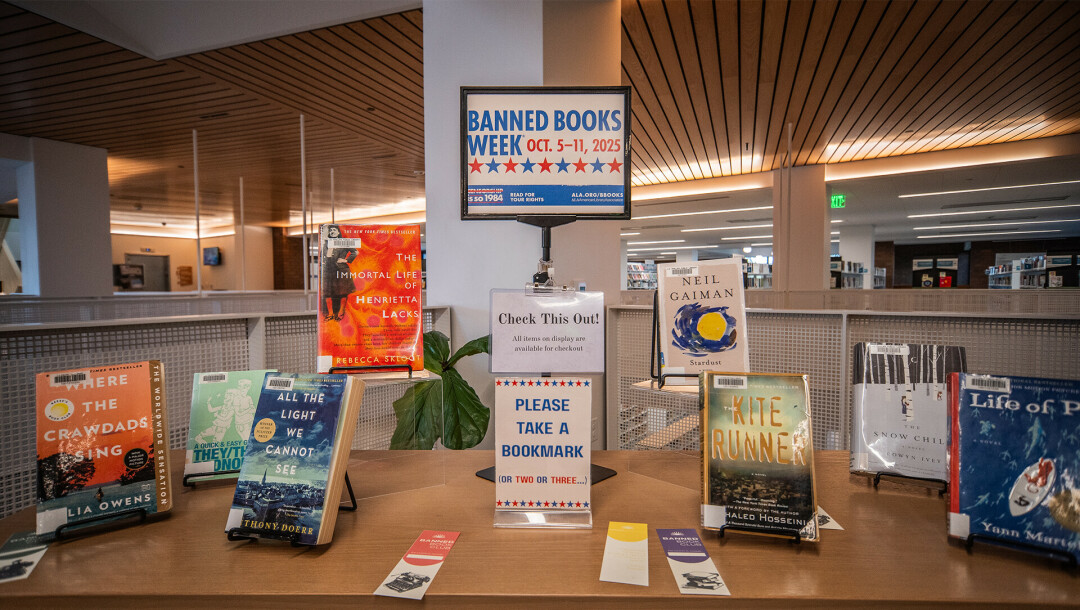
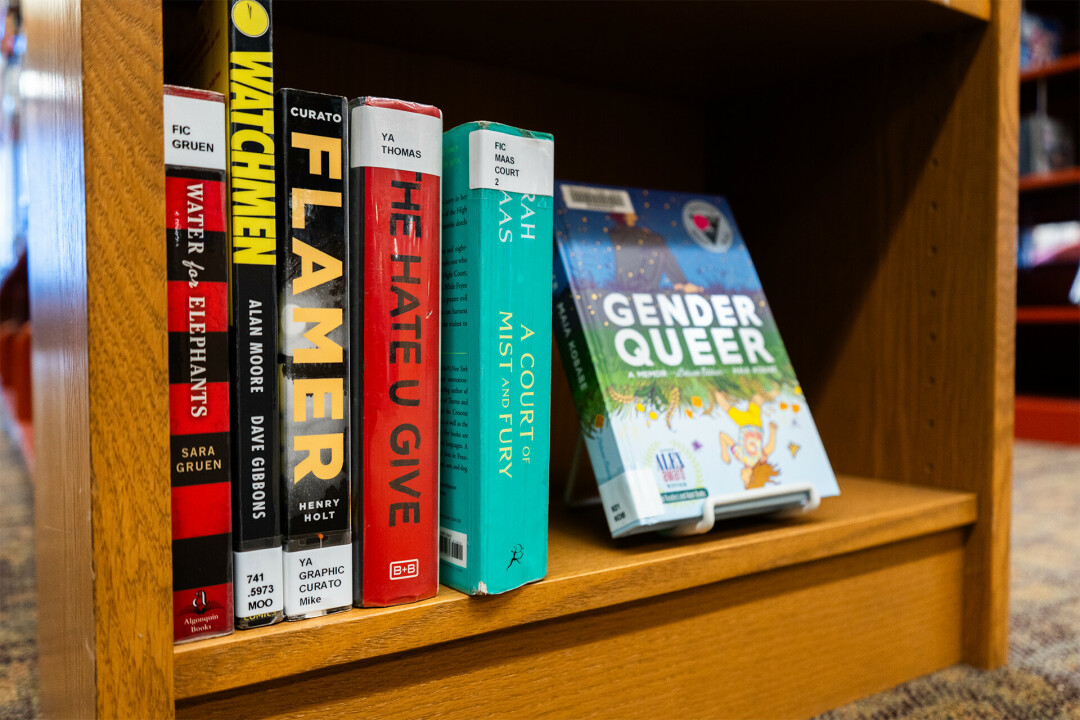
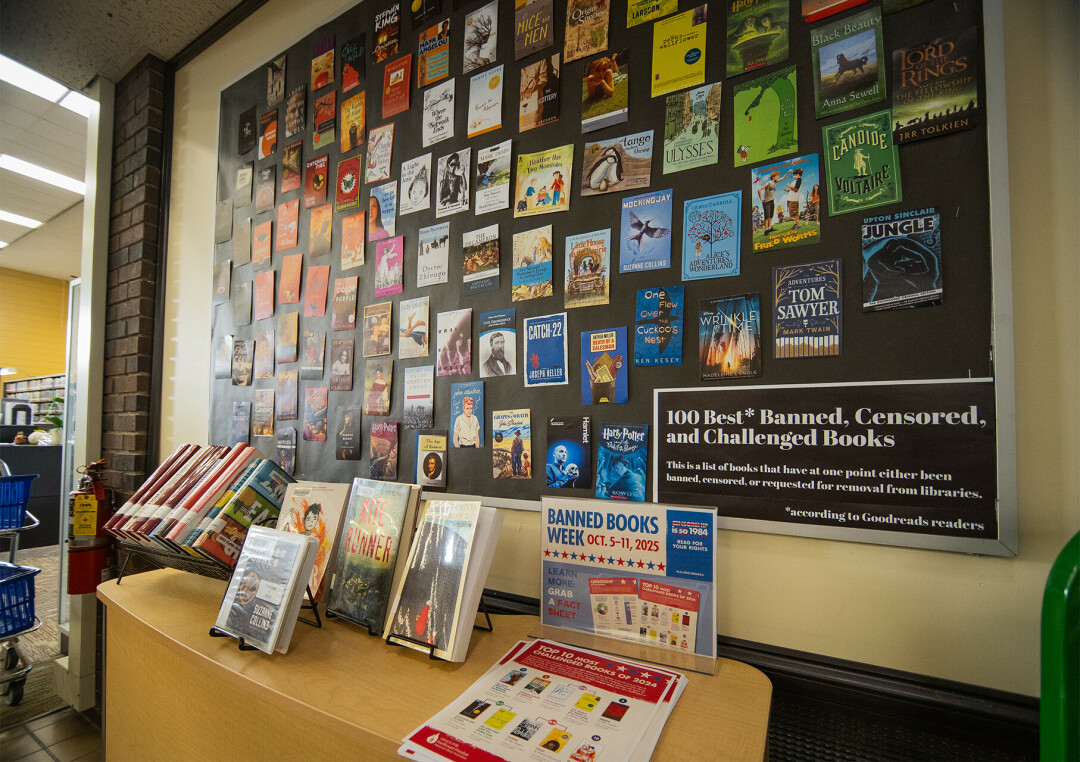
Banned Books Week displays from libraries in the Chippewa Valley.
In addition, libraries of all types around Wisconsin showed up with creative, impactful programming. Some highlights include:
Chippewa Valley Libraries, including Chippewa Falls Public Library, L.E. Phillips Memorial Public Library in Eau Claire, and the Menomonie Public Library recognized Banned Books Week with exhibits and displays of frequently challenged books.
Dane County Public Libraries, in partnership with Beyond the Page, honored the week with guest speaker Kyle Lukoff as well as banned books programs and book clubs.
UW-La Crosse’s Murphy Library celebrated Banned Books Week by hosting a series of student engagement activities to highlight the value of free and open access to information.
The UW-Madison Law Library provided this helpful listing of ways that students and faculty could engage in Banned Books Week, including book clubs and other events, podcasts, videos, reading lists, research guides, and more.
WiLS supports our members as they work daily to keep reading a freedom available to each of us.